2007. Ahead of the Beijing Summer Olympics, China is portrayed as a land of glittering “instant” cities. But the economy that is driving the country’s growth is powered by coal. A look behind the curtain in Shanxi Provice, China’s primary coal-producing region.
Winner of the 2008 Susan Meiselas Award for Excellence in Photojournalism.
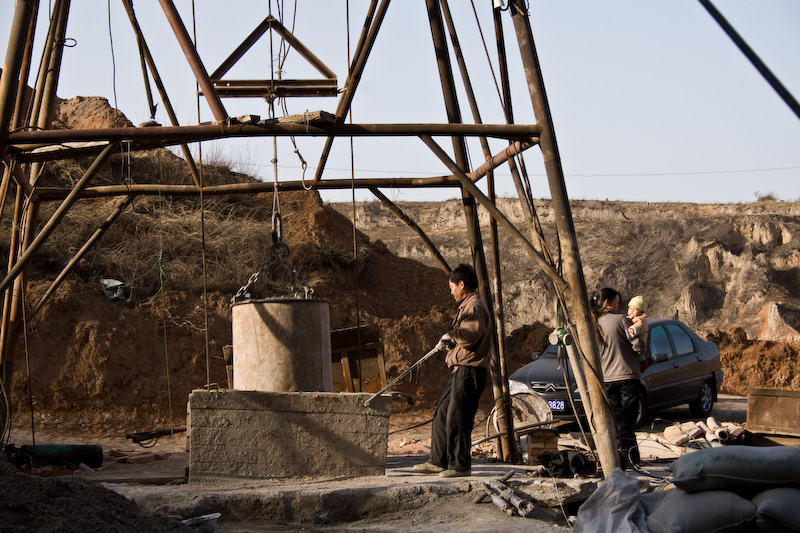
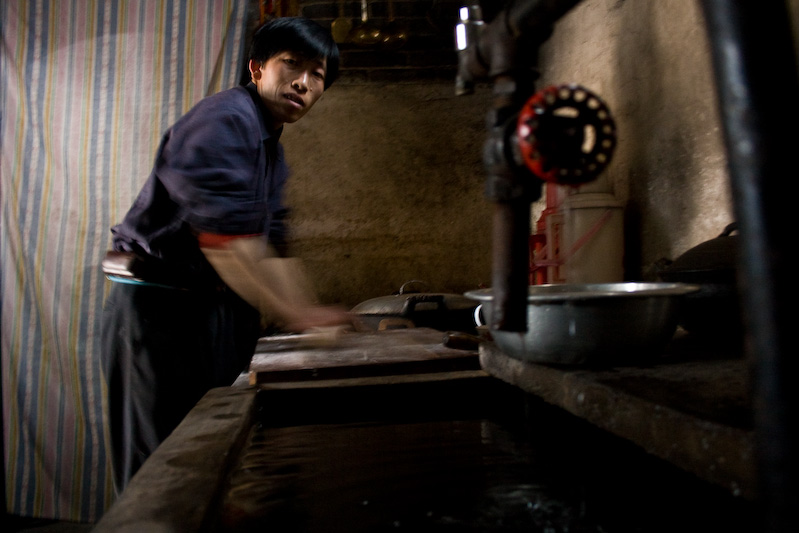
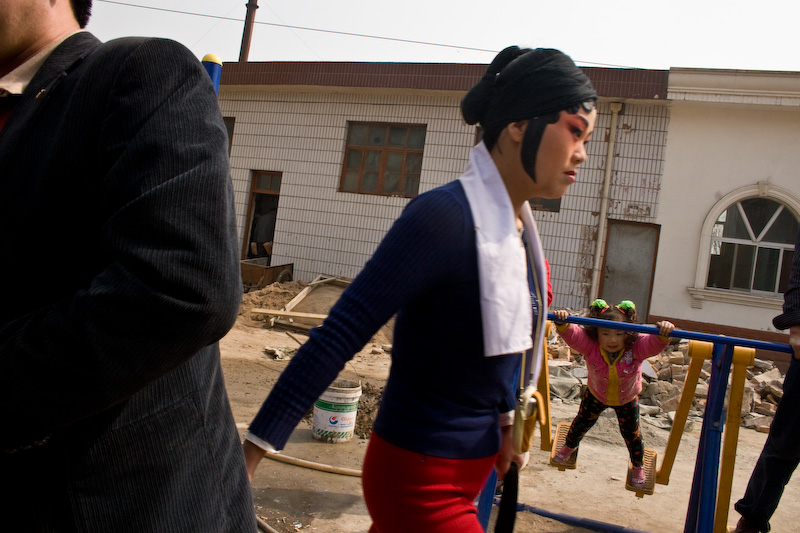
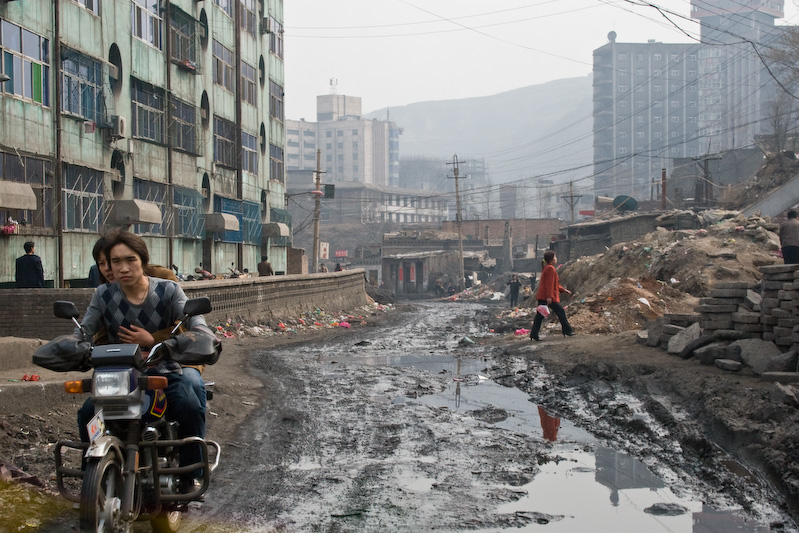
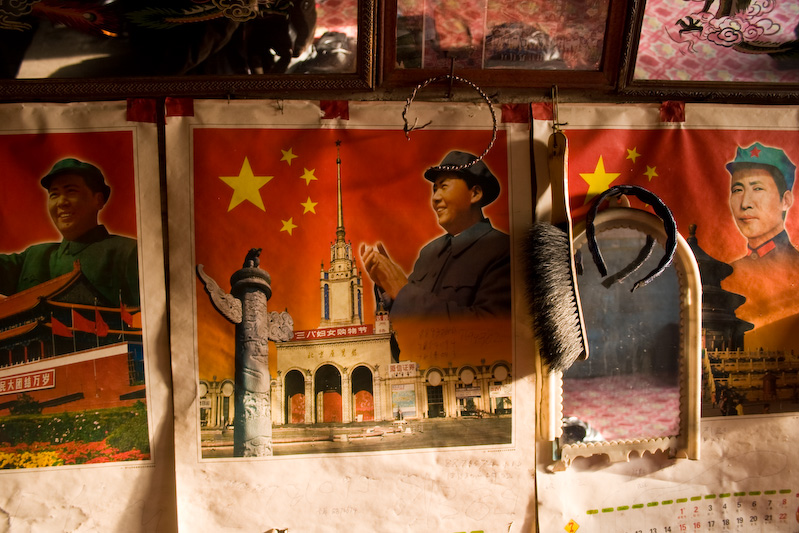
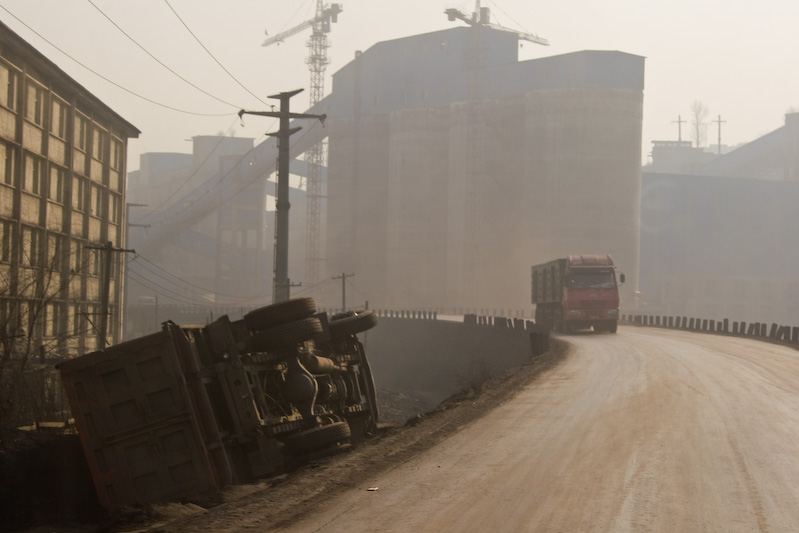
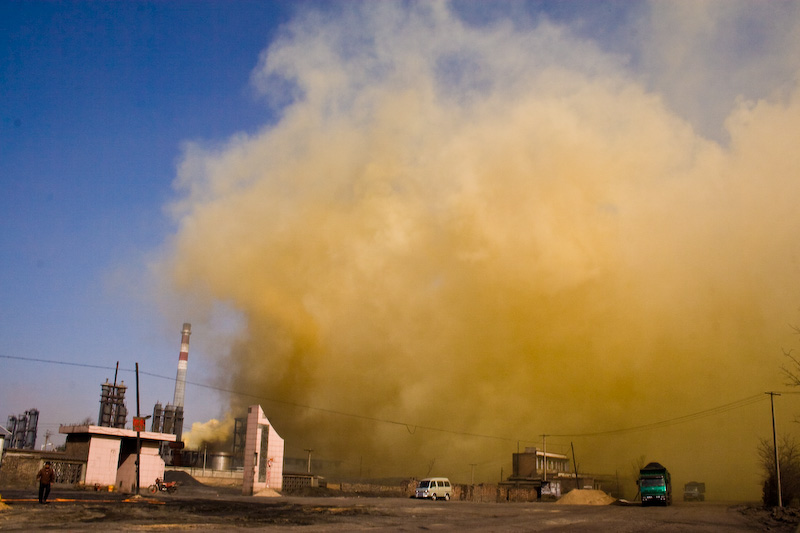
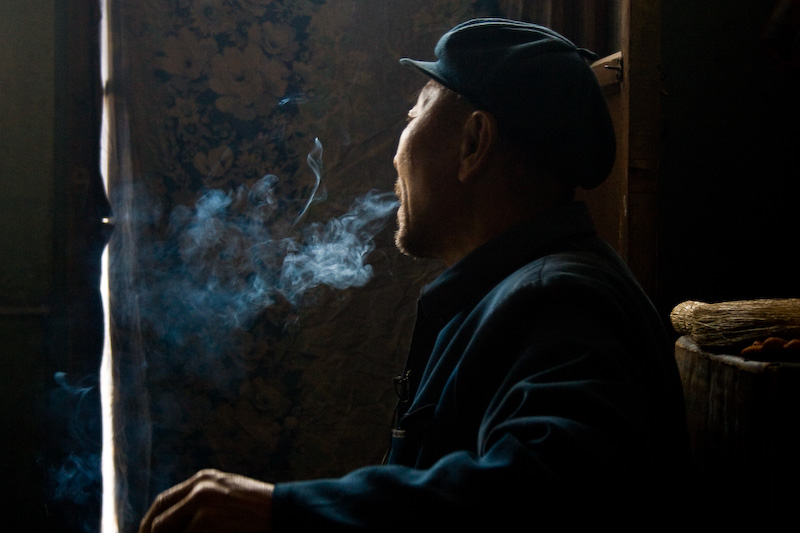
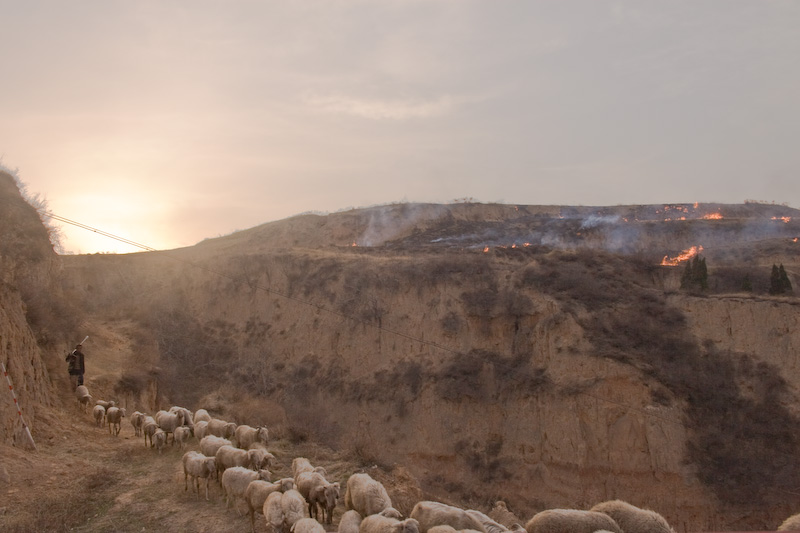
China’s economic boom is powered by coal. In 2007, two colleagues, Wu Nan and Duane Moles, and I went to Shanxi, source of most of China’s coal, to see what life was like in the engine of China’s economy. We found pollution, corruption, and desperation. Giant trucks laden with coal sped through the area, shedding coal dust, which accumulated in small black dunes on the roadsides, where people scooped them up into wheelbarrows. While the town of Xiaoyi had ballooned into a city, the countryside was largely neglected, only attracting attention for the coal that could be found under the surface. One farmer, whose fields had been ruined by mining, criticized the capitalist mine owners who lived well in the cities. He remembered his late teens—the Cultural Revolution—as the happiest time of his life.
The foundations of the village of Hao Jiazhai were literally being undermined by the illegal mining tunnels beneath. There we met Hao Hualin, 25, who had spoken on television with CCTV in an attempt to publicize the plight of his village, where the coal company was withholding compensation for the damage it caused. His reward: hired thugs smashed the windows of his house, and beat him and his mother. (Watch his story at Frontline/World.) Meanwhile, Piandian, a slightly larger village on a nearby ridge, paid tribute to the god of coal by staging a traditional opera with a traveling troupe.
Everyone we spoke with expected the coal to run out.
 Timothy Lesle